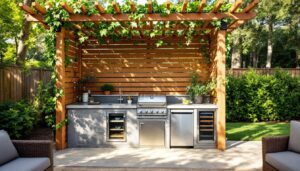
Building an outdoor kitchen transforms your backyard into a functional entertaining space, but it requires more than just plunking down a grill and calling it done. Whether you’re planning a simple cooking zone or a full-featured outdoor kitchen, understanding what outdoor kitchen supplies you actually need, versus nice-to-have extras, separates a practical setup from a yard cluttered with unused gear. This guide walks you through the essential equipment, durable materials, and smart layout principles that make outdoor cooking realistic and enjoyable. From grills to prep surfaces to weatherproof storage, you’ll learn what to prioritize so your outdoor kitchen stands up to seasons of use.
Table of Contents
ToggleKey Takeaways
- Choosing the right grill—gas, charcoal, or pellet—depends on frequency of use and desired flavor; a 26–30 inch cooking surface fits most households without wasting space.
- Outdoor kitchen supplies must include durable prep tables and weatherproof storage to protect tools and food while maintaining functionality year-round.
- 304-grade stainless steel, composite materials, and stone outperform wood and bare metals in outdoor conditions, reducing maintenance and extending equipment lifespan.
- Smart layout planning with designated prep, cooking, and serving zones—arranged in efficient workflow order—prevents frustration and makes entertaining more enjoyable.
- Essential tools like long-handled utensils, digital meat thermometers, grill brushes, and proper lighting are affordable investments that dramatically improve cooking safety and results.
- Access to utilities like gas lines, plumbing, and GFCI-protected electrical outlets determines what features you can realistically add, so plan infrastructure early in your project.
Essential Cooking Equipment for Your Outdoor Kitchen
Grills and Cooktops for Every Style
The grill is the centerpiece, so get it right. Your main choice: gas, charcoal, or pellet. Gas grills heat fast, offer precise temperature control, and require little cleanup, ideal if you cook several times a week. Charcoal grills deliver that smoky flavor and cost less upfront, but demand more attention and take longer to preheat. Pellet grills split the difference, burning wood pellets for smoke flavor with push-button ignition and digital temperature control.
Size matters more than you’d think. A 26–30 inch cooking surface works for most households: anything smaller gets cramped fast with a family gathering, and anything larger takes up excessive space if you’re not actually feeding twenty people weekly. Check both primary cooking grates and secondary burners or zones, you need room to cook proteins at high heat while keeping sides warm off to the side.
Beyond the main grill, a side burner ($150–400) adds serious utility. You can heat sauces, boil corn, or keep a pot of water going without heating up the entire grill. For serious enthusiasts, a pizza oven or smoker becomes a second centerpiece: these run $500–2,000+ but define the entire outdoor kitchen experience if that’s your priority.
Prep Tables and Storage Solutions
A solid prep surface isn’t optional. You’ll use it for everything, plating food, mixing marinades, setting down raw ingredients, and staging plates before serving. A 36–48 inch stainless steel or granite-top prep table ($300–800) stands up to sun, rain, and the occasional spill. Stainless steel is lighter and easier to clean: granite is heavier, doesn’t show fingerprints, and handles hot pans better.
Storage changes everything about outdoor cooking flow. Open shelving under prep tables works fine in dry climates, but in humid regions, moisture and mold find their way in fast. Enclosed weatherproof cabinets ($400–1,200) protect tools, seasonings, and serving dishes. Look for marine-grade or powder-coated stainless steel with gasket seals on doors. Some homeowners use large lockable plastic deck boxes ($150–400) as a budget-friendly alternative, not glamorous, but they protect gear and cost a fraction of built-in cabinetry.
Don’t underestimate under-counter mini fridges ($400–800) or cooler drawers ($600–1,500). They’re pricey but eliminate constant trips inside during entertaining. A beverage cooler keeps drinks cold without cluttering your prep space.
Durability and Weather-Resistant Materials
Outdoor gear lives outside. Whatever you buy will face sun, rain, temperature swings, and salt air if you’re near the coast. Material choice determines whether your kitchen lasts five years or fifteen.
Stainless steel is the standard for good reason. It resists corrosion, handles temperature extremes, and cleans easily. Not all stainless is equal, 304-grade stainless handles weather better than 430-grade. Higher grades cost more but won’t rust or pit.
Powder-coated steel or aluminum offers a balance of affordability and durability. The coating protects the underlying metal, though chips or scratches expose bare metal underneath. Inspect coatings carefully if buying used or display items. Cast iron and bare steel require regular seasoning (like indoor cast cookware) or they rust: reserve these for high-heat grates where character matters.
Wood accents, countertops, railings, or cabinet frames, look warm and inviting but demand upkeep. Teak and cedar resist rot better than pine or oak, but all require annual sealing or staining. If you’re not willing to maintain it, go stone or composite instead. Outdoor kitchen supplies designed for durability balance aesthetics with low-maintenance living.
Composite decking and countertops mimic wood without the maintenance. They don’t rot, splinter, or fade as quickly, though they can stain and feel less authentic than real materials. Budget 20–30% more upfront but save countless hours on upkeep.
Stone, granite, bluestone, or concrete, is heavy, durable, and handles weather like a champ. Concrete can crack in freeze-thaw cycles in cold climates: seal it annually. Granite resists staining and scratching but costs substantially more.
Tools and Accessories That Make Cooking Easier
Outdoor cooking doesn’t demand fancy tools, but the right few save frustration and time. Invest in quality over quantity.
Long-handled tongs and spatulas ($15–40 each) keep your hands safely away from heat. Stainless steel or aluminum handles don’t conduct heat: wooden handles feel better but crack over time. A grill brush with a scraper ($10–25) removes buildup before it hardens into permanent char. Do this after every cook while grates are still warm.
A meat thermometer, digital probe style, $20–60, removes guesswork and prevents overcooked chicken or undercooked pork. Instant-read models clip to your apron and last years if kept dry.
Grilling mats or baskets ($15–40) let you cook vegetables, fish, or delicate items without them falling through grates. Reusable silicone mats beat single-use foil every time.
Heat-resistant work gloves ($20–50) protect your hands. Kevlar-lined or silicone-palm styles grip wet food without slipping. Skip cheap cotton, they offer no real protection.
Storage for small tools matters too. A weatherproof tool bag or pegboard setup keeps everything accessible and organized. Loose tongs and brushes scattered around look chaotic and promote lost tools.
Lighting gets overlooked but transforms evening cooking. Under-cabinet LED strips ($30–100) or motion-activated path lights ($50–150 for a set) let you work safely after sunset. Solar options avoid wiring but often underdeliver on brightness: plug-in LEDs are more reliable.
Finally, a grill cover ($40–150) protects your investment when not in use. Quality covers breathe to prevent moisture buildup, unlike cheap tarps that trap condensation and promote rust.
Design Integration and Layout Planning
A kitchen that works looks good and flows naturally. Layout mistakes cause frustration every time you cook.
Start with work zones: prep area, cooking area, and plating/serving zone. Arrange them in order. You don’t want to carry raw chicken across where you’re plating food, and you shouldn’t have to walk ten feet for a spatula mid-cook. A tight triangle, prep table, grill, and mini fridge, maximizes efficiency in smaller yards.
Counter height matters. Standard is 36 inches, matching indoor kitchens. Prep tables at 30 inches suit shorter cooks: standing at 42+ inches strains your back. Plan for consistency unless you have a specific reason otherwise.
Ventilation isn’t just cosmetic. Grills produce smoke and heat: if your outdoor kitchen sits directly under a covered patio, that heat reflects down and smoke lingers. Install a ceiling fan or range hood ($300–1,500) above the grill to pull smoke away from seating areas. This also protects patio structures from heat damage and soot.
Access to utilities determines what you can install. Gas grills need a propane line or natural gas hookup, the latter requires trenching and a licensed plumber, so budget accordingly. Plumbing for a sink or cooler adds cost but eliminates constant trips inside. Outdoor GFCI-protected electrical outlets ($150–400 to install) power mini fridges, lighting, and warming drawers safely. Consult a licensed electrician: outdoor wiring has specific code requirements.
Seating and shade complete the picture. A farmhouse-style patio setup with a dining table or built-in benches encourages people to linger. A pergola, shade sail, or umbrella ($200–2,000+) keeps cooks comfortable on hot days and protects food from sun damage. Trees provide natural shade if you’re planting long-term.
Final tip: leave room for future upgrades. That empty space beside your grill might become a smoker, pizza oven, or mini bar next year. Rigid, built-in kitchens get regretted once you realize you wanted something different.
Conclusion
An outdoor kitchen supplies your backyard with genuine cooking capability, not just decoration. Prioritize essential equipment, a solid grill, prep surface, and storage, before splurging on extras. Choose durable, weather-resistant materials: they cost more upfront but survive seasons without constant maintenance. Layout planning and thoughtful tool selection transform outdoor cooking from frustrating to genuinely enjoyable. Build in phases if budget is tight, and you’ll end up with a kitchen tailored to how you actually cook and entertain. Your neighbors will want to know your secret.