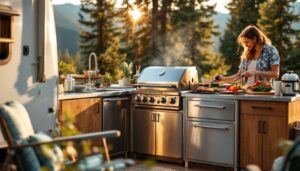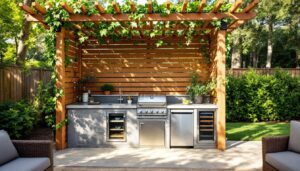
Outdoor kitchens transform travel trailers from sleeping quarters into full-fledged entertaining hubs. A travel trailer with an outdoor kitchen lets you cook, gather, and enjoy meals under the open sky, whether you’re parked at a national forest, a seaside campground, or a friend’s driveway. These setups aren’t just convenient: they fundamentally change how you experience the road. Instead of eating at picnic tables or relying on campfire cooking, you get proper workspace, temperature control, and storage. The trend has exploded in recent years as RV manufacturers recognize that today’s travelers want comfort alongside adventure.
Table of Contents
ToggleKey Takeaways
- A travel trailer with an outdoor kitchen transforms your camping experience by providing proper workspace, temperature control, and storage that extend your living space without compromising interior square footage.
- Essential outdoor kitchen components include a propane grill (8,000–15,000 BTU), stainless steel countertops (24–36 inches deep), weatherproof storage, and connections for water and propane to maximize functionality.
- Budget-conscious travelers can build a functional outdoor kitchen for $1,000–$3,000 using portable grills, folding carts, and removable prep surfaces, then upgrade incrementally rather than investing in factory-installed systems upfront.
- Stainless steel is the recommended material for outdoor kitchen equipment and countertops because it resists rust and corrosion better than wood, granite, or painted finishes in harsh weather and coastal conditions.
- Regular maintenance—including weekly stainless steel cleaning, annual propane inspections, grill seasoning after use, and proper seasonal storage—extends the lifespan of your outdoor kitchen equipment and prevents costly damage.
Why Add an Outdoor Kitchen to Your Travel Trailer
An outdoor kitchen extends your living space without eating into the trailer’s interior square footage. This matters because most travel trailers have tight galley kitchens that feel cramped when two people try to cook. With an outdoor setup, you prep vegetables outside, grill protein at the counter, and keep heat and mess away from the AC.
Entertainment value is another draw. Campground gatherings become something you can actually host. You’re not fumbling with a Coleman stove or asking neighbors for oven access, you’ve got a legitimate cooking station that mirrors home kitchen functionality. Friends and family see the effort you’ve invested, and suddenly your travels feel more intentional than just passing through.
Outdoor kitchens also solve the storage problem. A dedicated outdoor setup means you keep bulky cookware, propane tanks, and seasonal items outside rather than hoarding them in already-tight interior cabinets. This breathing room makes the trailer feel less claustrophobic.
Finally, there’s the practical benefit during hot weather. In summer, cooking outdoors keeps the trailer’s interior cool and comfortable. No need to blast the AC because you’ve got the stove and oven running inside.
Essential Components of a Travel Trailer Outdoor Kitchen
A functional outdoor kitchen needs four core elements: a cooking surface, countertop space, storage, and utilities (water and propane connections). Start by deciding which components matter most to your style of travel. A couple that spends weekends at established campgrounds might prioritize a full grill and sink setup. Boondockers who move frequently might choose a compact griddle and portable counter.
Grill and Cooking Equipment
The grill is the centerpiece. Most travel trailer outdoor kitchens use either a built-in propane grill (8,000–15,000 BTU) or a combination grill-griddle unit. Propane-fueled equipment ties into your trailer’s existing propane system, eliminating the need for separate fuel bottles. Look for stainless steel construction, aluminum and painted steel corrode quickly when exposed to weather and salt spray.
Griddles are underrated for trailer cooking. A flat cooking surface handles breakfast, sautéed vegetables, and even pizza better than a traditional grill grate. Many trailers install a combo unit with a grill on one side and a griddle or burner on the other. This gives flexibility without taking up excessive space.
Burner stoves (like a standard range top) are less common in outdoor kitchen trailers but work well if you have the counter real estate. A portable propane camp stove (around $50–150) is the budget alternative and works fine for boiling water or simmering sauces.
Don’t overlook side burners and warming drawers. These accessories fill in gaps, a warming drawer keeps cooked food hot while you finish grilling, and a side burner handles sauces or sides without monopolizing grill space.
Countertops and Storage Solutions
Outdoor countertops take a beating from weather, spills, and temperature swings. Stainless steel is the gold standard, it resists rust, cleans easily, and handles hot pots without damage. Granite and engineered stone (like quartz) look beautiful but require more maintenance outdoors and can crack if the trailer bounces over rough roads. Pressure-treated wood decking works as a budget option but needs regular sealing.
Dimensions matter. Most built-in outdoor kitchens use 24–36 inches of counter depth (the same as interior kitchen counters) and 4–6 feet of length. This provides enough workspace to prep ingredients, set down plates, and organize cooking supplies.
Storage underneath the counter should be weatherproof. Use marine-grade plywood or powder-coated steel cabinetry. Open shelving works for everyday items but cover drawers and cabinets with latch doors to keep out dust, insects, and road debris. Stainless steel hardware resists corrosion better than painted finishes.
A sink is invaluable. Connecting to your trailer’s fresh water system means you can rinse produce, wash hands, and clean dishes on the spot. Install a drain that empties safely away from seating areas. Consider adding a cutting board that sits on top of the sink, it instantly gives you more counter space when you need it.
Popular Travel Trailer Models With Outdoor Kitchen Features
Manufacturers have caught on to the outdoor kitchen trend. High-end lines like the Grand Design Imagine and Jayco Jay Flight now offer integrated outdoor kitchen packages as factory options. These units come pre-wired for propane, pre-plumbed for water, and arrive with matching cabinetry and countertops, no customization headaches.
Mid-range brands like Coachmen Apex and Forest River R-Pod offer smaller units with a basic grill and limited counter space. These suit budget-conscious buyers or those just testing whether an outdoor kitchen fits their lifestyle.
For luxury builds, look at brands like Airstream and Entegra Coach. These high-end trailers include premium stainless steel grills, composite countertops, built-in refrigeration, and sometimes even ice makers. They cost significantly more but include design cohesion and warranty support.
The aftermarket is equally important. Companies like Happijac and Winegard manufacture drop-in grill units that fit standard cabinet openings. You can retrofit an older trailer if you’ve got basic carpentry skills and a willingness to handle propane connections. Many owners find that buying a used trailer without an outdoor kitchen and adding one later gives better value than choosing a newer model with built-in features you might not want.
Budget-Friendly Options for Adding an Outdoor Kitchen
You don’t need to spend $5,000–$15,000 on a factory-installed outdoor kitchen. Budget-conscious DIYers can build one for $1,000–$3,000 using modular pieces and smart sourcing.
Start with a portable grill, either a propane model (around $300–600) or a charcoal unit ($150–400). Pair it with a folding outdoor kitchen table or cart ($200–400) that has shelving underneath for storage. These carts come in stainless steel or weather-resistant resin, and they’re designed to fold up and stow when you move.
For countertop space, consider a removable cutting board ($50–150) or a butcher block cart ($100–300). These give you a food-prep station without permanent installation.
Water access doesn’t always mean running new lines. A portable camping sink (around $100–200) uses a gravity-feed water jug and drains into a catch bucket. Not elegant, but it works and requires zero plumbing knowledge.
If you’re handy, small kitchen solutions from design-focused retailers can inspire DIY builds using reclaimed materials or affordable hardware-store components. For example, a stainless steel prep table from a restaurant supply outlet ($200–400) paired with a basic grill creates a functional setup that costs less than furniture-grade builds.
The key is starting small and upgrading incrementally. Buy the grill this year, add a permanent counter next year, install a sink the following season. This approach spreads costs and lets you refine what features actually matter to your style of travel before committing to expensive permanent installations.
Maintenance and Care Tips for Outdoor Kitchen Components
Outdoor kitchen gear faces constant assault from sun, salt spray, moisture, and temperature swings. Maintenance determines how long your equipment lasts.
Stainless steel requires regular cleaning with appropriate products. Use a microfiber cloth and specialized stainless steel cleaner (not generic soap) every 1–2 weeks. Avoid abrasive scrubbers that scratch the finish. Coastal areas and salty air demand more frequent cleaning, weekly is safer.
Propane systems need annual inspections. Check all connections with soapy water to catch leaks (bubbles indicate escaping gas). Ensure the tank is secured and the valve is accessible. Have a certified technician inspect lines if you notice hissing or smell gas.
Countertops vary by material. Stainless steel gets the same care as appliances. Stone and engineered surfaces need sealer reapplied annually and should be cleaned promptly after spills. Wood decking must be sealed before the season and resealed every 18–24 months.
Grills and griddles need seasoning and protective care. After each use, scrape the grates clean and wipe them with a high-heat-resistant oil. This prevents rust and maintains non-stick properties. Cover the grill when it’s not in use, even a basic fitted cover ($30–60) blocks UV damage and weather.
Store items inside the trailer during the off-season if you’re in a harsh climate. Propane tanks should be kept upright and out of direct sun. Small accessories like cutting boards and utensils should move indoors to prevent warping and rot.
Drainage systems need attention too. Outdoor living spaces require proper water management, so ensure your sink drain and any water outlets stay clear of debris. Check for clogs monthly and flush lines with fresh water if your trailer sits idle for weeks.