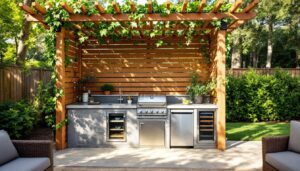
Hestan outdoor kitchens represent the pinnacle of premium outdoor cooking, blending professional-grade performance with durable, weather-resistant construction. Whether you’re a serious entertainer or a weekend griller, a Hestan outdoor kitchen transforms your backyard into a fully functional culinary space. These systems go beyond a simple grill, they integrate refrigeration, storage, prep surfaces, and multiple cooking zones into a cohesive design. This guide walks you through what makes Hestan units stand out, how to select the right components for your space, and what to expect during installation and long-term care.
Table of Contents
ToggleKey Takeaways
- Hestan outdoor kitchen units stand apart through marine-grade stainless steel construction, sealed burner systems, and modular design that prevents rust and corrosion while allowing customization.
- A Hestan outdoor kitchen integrates multiple cooking zones with storage, refrigeration, and workspace, transforming your backyard into a fully functional culinary space that goes beyond a basic grill.
- Proper layout planning—accounting for sun exposure, wind direction, the work triangle flow, and 3 feet of front clearance—is critical to creating a functional and enjoyable outdoor cooking environment.
- Stainless steel components and sealed burner design deliver consistent heat distribution and durability, with typical lifespans of 15–20 years when paired with routine seasonal maintenance.
- Installation requirements vary from simple drop-in placement to built-in setups requiring licensed contractors; always verify local building codes before installation to ensure compliance with gas and electrical regulations.
What Makes Hestan Outdoor Kitchens Stand Out
Hestan earned its reputation by focusing on materials, engineering, and details that matter for outdoor durability. The company sources stainless steel components, typically 304-grade or marine-grade finishes, to withstand salt air, moisture, and temperature swings without rusting or degrading. Most competing brands settle for painted steel or aluminum, which corrodes over time and requires frequent refinishing.
The burner technology sets Hestan apart too. Their grill burners deliver even heat distribution with sealed burner systems that prevent grease from pooling and igniting unpredictably. The controls are intuitive, with thermostatic systems that maintain consistent temperatures across all cooking zones. Unlike budget models that lose 10–15% of heat through gaps, Hestan’s tight tolerances keep BTU output where it belongs, on your food.
Another differentiator is the modular design philosophy. Hestan offers drop-in units, built-in frames, and customizable component combinations. You pick the grill size, add a sear station, a rotisserie, or a side burner: the system snaps together without custom fabrication. This modularity means you’re not locked into one configuration, you can upgrade or reconfigure as your entertaining needs change.
Finally, Hestan provides robust warranties on both materials and components, typically covering structural defects and finishes for several years. They also stock replacement parts readily, so a failing burner or valve doesn’t mean scrapping the whole unit.
Key Components and Features to Consider
Grills and Cooking Appliances
At the core of any Hestan outdoor kitchen is the grill. Hestan offers sizes ranging from 36 to 54 inches wide, with models featuring 3, 4, or 5 burners. Each burner typically delivers 15,000–20,000 BTU, providing flexibility for zone cooking, sear steaks on high heat while keeping sides warm on a lower setting.
Hestan’s grill grates are another detail to scrutinize. Most models use cast stainless steel or porcelain-coated cast iron grates. Cast stainless won’t rust and distributes heat evenly: porcelain-coated grates develop better char marks but require gentle cleaning to avoid chipping. Both perform well, choose based on your cooking style and maintenance tolerance.
Beyond the primary grill, Hestan sells side burners, rotisserie kits, and sear stations as bolt-on options. A side burner lets you boil water or heat sauce without firing up the main grill. A rotisserie turns whole chickens or roasts slowly over indirect heat. Sear stations deliver extreme localized heat for finishing meats. You don’t need all of them, but each adds a distinct cooking capability.
The firebox construction matters too. Hestan uses double-walled stainless steel in most models, with an air gap and insulation inside. This keeps external surfaces cooler and retains heat more efficiently during cooking, reducing fuel consumption and improving temperature stability.
Storage and Workspace Solutions
A grill alone isn’t a kitchen. Hestan integrates drawer units, storage cabinets, and counter space into modular components that sit below or beside the cooking surface. Drawers typically hold utensils, thermometers, and towels: cabinet spaces store propane bottles, charcoal, or condiments.
The countertop materials deserve attention. Hestan offers brushed stainless steel work surfaces on premium models, which resist staining and are easy to clean. Lower-tier options may use painted steel or composite surfaces. For outdoor use, stainless is worth the investment, it won’t rust or require refinishing after a few seasons.
Refrigeration is increasingly popular in high-end outdoor kitchens. Hestan’s under-counter refrigerator units maintain 35–50°F for keeping ingredients cool during cooking. These are built to outdoor specs with sealed compressors and weather-resistant casings, unlike repurposed indoor units that fail quickly in moisture and temperature extremes.
Proper spacing between components is also critical. You’ll need at least 18 inches of counter space on each side of the grill for prepping and plating. If you opt for a sideburner or rotisserie, budget additional counter area for tools and ingredients. The modular approach lets you size your layout without guessing, measure your space first, then select components.
Designing Your Hestan Outdoor Kitchen Layout
Layout is where many DIYers stumble. A poorly arranged outdoor kitchen wastes space, creates awkward traffic patterns, and makes cooking a chore instead of a pleasure. Start by identifying the sun’s path through your yard and prevailing wind direction. You don’t want the main grill facing into afternoon glare or taking constant smoke from wind gusts. A covered area or pergola overhead reduces glare and keeps you shaded while cooking.
Measure your space carefully, use a tape measure, not approximations. Mark out the footprint of your Hestan unit (accounting for the full width with handles extended) and ensure you have at least 3 feet of clearance in front for reaching controls and plating. Behind the grill, you’ll need 12 to 18 inches of clearance for propane line routing and ventilation.
Consider the work triangle: prep area → cooking surface → plating/serving zone. This mirrors kitchen design indoors. Your counter space should allow moving from ingredient storage to prep to the grill without crossing paths. If you’re adding a rotisserie or sear station, position it so you’re not turning your back on guests while cooking.
Propane supply routing is a practical concern. A rigid copper or steel line from your tank buried underground or concealed in conduit looks cleaner than surface-running hose. Local codes may require a licensed plumber or gas fitter to install this, check with your jurisdiction. Above-ground hose is cheaper and faster but less attractive. Budget for a quality stainless steel hose rated for outdoor use if you go that route.
Finally, think about serving. Position your outdoor kitchen near dining or entertaining areas, but not so close that cooking heat and smoke drift toward seating. Hestan units that include a side burner or warming drawer let you hold hot food temporarily without cramming a crowded counter.
Installation, Maintenance, and Durability
Installation depth varies by whether you’re building a custom frame or using a drop-in unit. Drop-in models require a prepared opening in an existing counter or island, typically 36 to 54 inches wide, 18 inches deep, and a specific height. You’ll slide the unit in, secure it with fasteners, and connect gas and electrical lines. This takes a few hours with basic plumbing knowledge and a helper.
Built-in or semi-custom installations require you to build or source a support structure, often a metal frame or masonry island. Hestan provides installation guides, but you may need a licensed contractor if your local building code requires permits for gas work or electrical connections. Some jurisdictions classify outdoor kitchens as permanent structures needing inspection: others treat them as portable appliances. Always check code requirements before breaking ground.
Maintenance keeps your Hestan kitchen performing for decades. Seasonal deep cleaning, brushing the grates, clearing burner ports of debris, and wiping stainless steel with a soft cloth, takes an hour twice yearly. For stubborn rust spots on stainless, use a stainless steel cleaner (like Barkeeper’s Friend) and a non-abrasive pad: avoid steel wool, which can leave embedded particles that rust.
The propane line and regulator should be inspected annually for leaks using soapy water, bubbles indicate a leak that needs tightening or repair. Check hose connections where they attach to the regulator and grill. Most leaks are minor and fixed with a wrench: never attempt a major gas repair yourself.
Covers protect your investment from weather. A fitted stainless steel or marine-grade vinyl cover during off-season storage prevents corrosion and UV damage. Even in year-round use, a cover during heavy rain or snow extends component life.
Durability depends on material quality and maintenance. Hestan units with premium stainless finishes, sealed burners, and insulated fireboxes typically last 15–20 years with routine care. Components like burners or valves may need replacement after 10 years of heavy use, expect to spend $200–$500 per part. The modularity means you’re replacing a burner, not the entire grill.
Recent studies on outdoor kitchen design show that proper material selection and annual maintenance directly extend equipment life. Similarly, reviews of premium cookware and outdoor components emphasize stainless steel and sealed construction as reliability markers. For integrated design inspiration, outdoor living spaces that prioritize durable materials outperform those built with cheaper alternatives.
Conclusion
A Hestan outdoor kitchen is a serious investment, but the durability, modularity, and thoughtful engineering justify the cost. Focus on quality materials, intentional layout, and realistic maintenance expectations. Plan your layout carefully, invest in proper installation and gas-line work, and commit to annual cleaning. When you combine a well-designed space with a premium appliance, outdoor cooking becomes less of a novelty and more of a lifestyle, one your guests and family will enjoy for years to come.