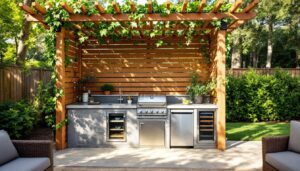
Indoor-outdoor living has shifted from a luxury luxury amenity to a practical expectation in modern homes. Homeowners want spaces that blur the boundary between inside and outside, creating flexible areas for work, entertaining, and everyday life. Whether you’re expanding a patio, installing new doors, or reimagining your entire floor plan, a thoughtfully designed indoor-outdoor living space adds functionality, increases natural light, and improves your home’s value. This guide walks you through planning, building, and styling these transitions so they feel like a natural extension of your home, not an awkward gap between two worlds.
Table of Contents
ToggleKey Takeaways
- Indoor-outdoor living spaces extend your home’s usable square footage and increase natural light and property value without requiring major renovations.
- Successful indoor-outdoor living hinges on seamless transitions including proper door selection (sliding or pocket doors), low-threshold designs, and careful flooring with transition strips to prevent tripping hazards.
- Choose durable, weather-resistant furniture materials like teak, composite decking, and powder-coated metals, paired with consistent color palettes and flooring types that visually connect interior and exterior zones.
- Evaluate sun patterns, wind exposure, and existing utilities before planning your transition—north-facing doors stay cooler while south-facing entrances bring afternoon heat and natural light.
- Modern sliding glass doors with low-E glass, dual-pane windows, and vinyl or fiberglass frames improve energy efficiency and reduce heating and cooling costs compared to older aluminum-frame models.
- Start small with design-focused sliding doors and proper weatherproofing; the most common mistakes occur when threshold details are overlooked, so prioritize meticulous planning before building.
Why Indoor-Outdoor Living Is the Modern Home Standard
The shift toward indoor-outdoor living reflects how people actually live now. Remote work, casual entertaining, and a desire for wellness amenities (fresh air, natural light, garden views) have made the connection between interior and exterior spaces essential rather than optional.
Practically speaking, seamless transitions extend your usable square footage without major renovations. A well-designed patio or deck with proper access becomes a genuine living room, not just storage for the grill. Year-round accessibility means the space pays for itself through daily use, not just summer weekends.
Building codes and energy standards are evolving too. Modern sliding doors and window systems perform better than older models, reducing drafts and keeping conditioning costs down. Proper material selection and waterproofing mean your transitions won’t become maintenance nightmares. When done right, indoor-outdoor living is as reliable as any room in your house.
Planning Your Indoor-Outdoor Layout: Space Assessment and Design Principles
Before you order doors or furniture, measure twice and think hard about how the space will function.
Evaluating Your Current Space and Setting Goals
Walk your potential transition zone at different times of day. Note sun patterns, wind exposure, and sightlines from inside. A door facing north will stay cooler but dimmer: south-facing means afternoon heat and glare. Existing utilities (HVAC vents, electrical outlets, plumbing runs) affect door placement and will impact your budget.
Next, define what the space is for. Is it a breakfast nook, entertainment zone, work-from-home extension, or all three? This drives material choices and furniture layout. A high-traffic entertaining area needs durable, easy-clean surfaces: a quiet reading corner can use more delicate materials.
Measure doorway width, ceiling height, and the outdoor surface elevation relative to your interior floor. Most sliding glass doors come in standard widths (36″, 48″, 60″), but custom sizes exist and cost more. Height mismatches between interior and patio mean steps or ramps, adding complexity and expense. Calculate the square footage of any new deck, patio, or roofing you’ll add: this determines material costs and, if the work is structural, whether a permit is needed.
Creating Seamless Transitions: Doors, Flooring, and Flow
The transition itself, doors, thresholds, and flooring, is where indoor-outdoor living succeeds or fails.
Choosing the Right Sliding or Pocket Doors
Sliding glass doors remain the most common choice. They’re affordable, require minimal floor space, and allow unobstructed views. Standard aluminum-frame sliders cost $500–$1,500 installed: vinyl or fiberglass frames run $800–$2,500 and offer better insulation. Pocket doors slide completely into the wall, opening your space fully, ideal for entertaining, but require structural planning during initial construction or a retrofit kit ($1,200–$3,500). Both types should have low or zero-threshold designs to eliminate tripping hazards and improve accessibility.
Look for low-E glass to reduce heat transfer, and tempered or laminated glass for safety. Dual-pane windows perform better in cold climates: triple-pane in extreme conditions. The frame itself matters: aluminum conducts heat readily (less efficient), while vinyl and fiberglass are better insulators.
Floor transitions require thoughtful detailing. If your outdoor surface is tile or stone, its thickness may differ from interior flooring. Use a transition strip (aluminum, wood, or composite) at the threshold to bridge the height change smoothly. This isn’t cosmetic, a ½-inch lip is a tripping hazard and looks sloppy. Exterior flooring must slope slightly (1/8″ per foot) for drainage: interior should be level. Materials like composite decking or sealed concrete work well in both environments, visually tying spaces together.
Consider a covered transition zone if budget allows. A simple roof or pergola over the doorway protects the interior from weather when doors are open and extends your usable season. This also reduces heat and cooling load, a practical energy benefit.
Furnishing and Styling for Comfort and Continuity
Once transitions are built, furnishing completes the illusion that indoor and outdoor are one space.
Selecting Weather-Resistant Furniture and Materials
Outdoor furniture must handle moisture, UV, and temperature swings. Teak, cedar, and composite decking are stable in weather. Metal rusts unless it’s powder-coated aluminum or stainless steel: resin wicker and polypropylene hold up well. Cushions and upholstery require covers or storage during off-season, plan for this in your design.
Color and style matter too. Neutral tones in both zones create visual continuity: bold outdoor colors that clash with interior walls feel jarring. Repeat materials if possible, the same stone used inside on a fireplace or entryway looks intentional when extended to the patio. Home design sites like Dwell showcase this principle well, showing how cohesive material selections unify spaces.
Lighting is critical. Interior and outdoor lighting should complement each other in intensity and warmth. LED string lights or deck fixtures in the same color temperature as your interior lamps create seamless ambiance. Dimmers allow flexibility, bright for entertaining, dim for quiet evenings.
If you’re adding a rooftop garden or vertical greenery, this softens hard transitions and adds natural texture. Plants also reduce heat absorption and improve air quality on both sides of the boundary. A few well-placed planters with consistent plant types tie visual elements together.
Flooring continuity isn’t just functional, it’s visual shorthand that the spaces are connected. Extending interior flooring onto a covered patio is ideal. If materials differ, keep the color family the same. Warm wood inside pairs with warm-toned outdoor stone: cool gray tile indoors looks intentional with concrete outside.
Building Your Transition, One Step at a Time
Indoor-outdoor living doesn’t require a major renovation or huge budget. Start small, a pair of design-focused sliding doors with proper weatherproofing and a threshold transition can transform how your home feels. Layer in furnishing and materials that work in both conditions, and the space becomes genuinely livable year-round.
The key is planning before you build. Measure, observe light and wind, choose durable materials, and don’t skip the threshold details, most DIY failures happen because the small transitions get overlooked. Your goal is a space that feels like home whether you’re inside looking out or outside looking in.